
Carpenter bee control in Fairfield County, CT
Carpenter bees drill clean, round holes in exposed wood. The damage builds up season after season.
Discreet service: our vehicles and personnel are unmarked.
Our phone line answers 24 hours a day. Same-day and next-day visits are available, scheduled by availability.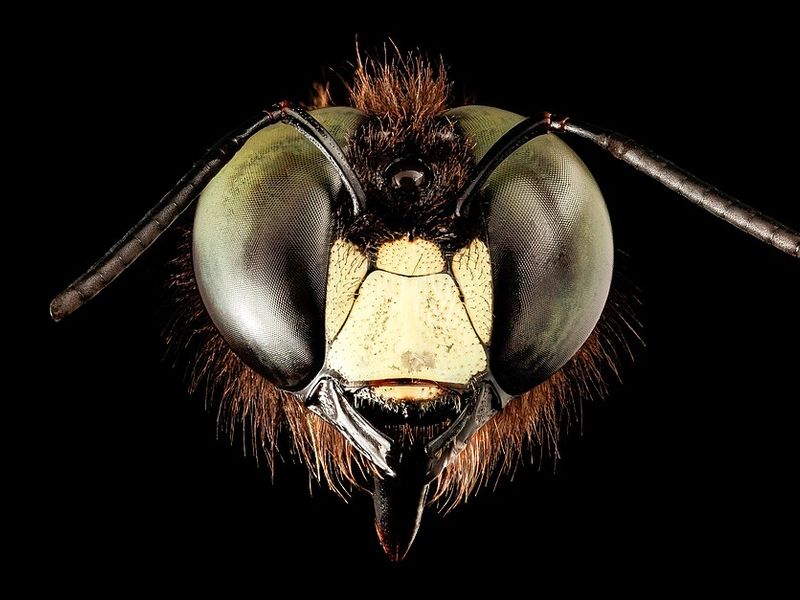
Signs of carpenter bees
- Perfectly round holes about the width of a finger in decks, railings, fascia or eaves
- Coarse sawdust piled below the hole
- Large bees hovering near the wood in spring
Why it happens
Female carpenter bees tunnel into bare or weathered wood to lay eggs. Painted or sealed wood is less attractive than raw wood.
What we do
- Find active tunnels
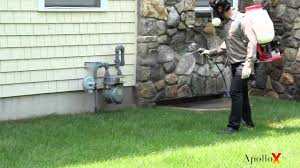
- Treat the tunnels
- Advise on sealing or painting exposed wood
- Check the damage
When to call
Call when you see holes or fresh sawdust. Treating early saves repair work. Call (203) 256-1200 and we will tell you the earliest time we can come.
How to Get Rid of Carpenter Bees
"How to get rid of carpenter bees" is a question many people find asking themselves during the spring and early summer each year. Though carpenter bees may at times look and act intimidating, they rarely sting (the male cannot sting, the female needs to be greatly provoked to sting). Though the damage to wood caused by a carpenter bee is much less than that of a termite, they can damage a structure over time and we'll describe how their tunnels can invite moisture and other damage. This site is designed to give a quick and informative summary for those experiencing a problem with carpenter bees.
Carpenter Bees: How do you know if you have them?
Carpenter bees, unlike honey bees, bumble bees and yellow jackets, are solitary individuals. They drill a perfectly round hole in wood, and then proceed to lay eggs and raise the next generation. So the first sign you have of a carpenter bee problem is one or more round holes, usually in soft, unfinished wood, with a single bee entering and emerging . It's a large bee with a shiny black hairless abdomen.
Carpenter Bee Danger and Damage: As we mentioned, there's not much danger of getting stung by a carpenter bee. The male cannot sting, though he does put on the act of being aggressive. You'd probably need to deliberately and viciously grab the female in your hand to get stung by her.
Leave them alone, and they'll leave you alone. They're actually pretty interesting. The hole they construct is perfectly round, goes inward for about an inch, then makes a turn and goes about six inches further following the wood grain.
However, here's the problem. There can be many carpenter bee holes, each with an unsightly feces stain fanning out at the base of the hole. And those holes can attract moisture, causing decomposition of the wood. In addition, next year's carpenter bee may expand the hole six more inches. And finally, a woodpecker, hearing the carpenter bee inside the hole moving about and chewing wood, may destructively dig into the wood in an attempt to capture and eat the bee.
How Do Carpenter Bees Breed?
Carpenter bees are looking for soft wood like redwood, cedar or pine that is unfinished. It could be the back side of window trim or siding, the ceiling of a porch, an unfinished portion of a wooden deck or play structure. The carpenter bee drills a perfectly round 1/2 inch diameter hole in the wood to lay her eggs and raise her young. She then creates a compartment for each egg (about 6-10 in all), places a pollen food ball in each compartment, seals it with wood pulp, then dies. The eggs hatch, their larvae feed on the pollen balls, transform into the pupal, and finally the adult stage. All this happens annually around March, April and May.
Preventing Carpenter Bees
Your first line of defense is prevention:
Locate and fill any cracks, divots, splintered wood, nail holes in your siding, window frames, deck, wooden play structure and ornamental wood. Make everything smooth and unfriendly to a carpenter bee.
Now that all wood surfaces are smooth, apply a coat of exterior paint or a polyurethane finish to any exposed wood. Be sure to also paint exposed wood that is hidden from sight such as the back and the underside of a board. While staining the wood may help, it is not as effective as paint in discouraging carpenter bees.
Remove or cover exposed piles of lumber or firewood on your property.
Getting Rid of Carpenter Bees
However, this is only a very temporary measure.
Timing is important: At night while the bees are at rest, or in the early spring while they're hibernating. You'll want to ensure the bees are exterminated BEFORE sealing their nest holes, or they'll just bore further inward in an attempt to escape.
Now that the bees are exterminated, seal up their nest holes. Fill the holes with steel wool, or a dowel and wood glue, or caulk, or even a wad of aluminum foil. It's important to fill the holes as much as possible before sealing them. An abandoned nest hole that is not properly sealed invites carpenter bees, and other pests and exposes the wood to moisture damage.
Finally, sand the surface smooth, and apply a coat of exterior paint or a polyurethane finish as with the preventative given measures above.
Get Help From A Professional Carpenter Bees Exterminator
To ensure your carpenter bee problem is completely solved, contact ApolloX Pest Control for a professional carpenter bee inspection. We'll not only discover carpenter bee issues that you may have missed, but in addition, inspect for other pest issues since the presence of carpenter bees can be a signal that your home is susceptible to other pests such as carpenter ants, termites and wood boring beetles.
Following a thorough professional carpenter bee inspection, we'll create a pest prevention strategy for your home, so you can be assured that there are no hidden pest issues compromising the integrity of your home, the health of your family, or the reputation of your business.


Common questions about carpenter bees
Do carpenter bees eat wood?
They dig tunnels in it rather than eat it, but the tunnels can weaken the wood over time.
Will my neighbors know you were here?
Our vehicles and personnel are unmarked and discreet, so nothing on the street announces that a pest control company is at your home or business.
What our neighbors say about our carpenter bees work
Rated 4.8 stars from 111 Google reviews.
“Raymond was very professional and good with customers.”
“Apollo X took care of the hornets that setup shop in my wall mounted air conditioner. Took two trips, but they eliminated the problem without any of them getting into the house.”
Where we treat carpenter bees
We serve all of these towns in Fairfield County:
Related pest control services
- Wasp control in Fairfield County
- Yellow jacket control in Fairfield County
- Bee control in Fairfield County
- Ground bee control in Fairfield County
- Commercial pest control near me
Pest control tips about carpenter bees
- Carpenter Bee Prevention, Treatment
- Hiring an Exterminator Carpenter Bees Pro?
- Carpenter Bee Control - Identify, Understand, Eliminate
- Carpenter Bee Prevention - Head off potential damage to your home.
Where we provide carpenter bees control
- Carpenter bee control in Stamford, CT
- Carpenter bee control in Norwalk, CT
- Carpenter bee control in Bridgeport, CT
- Carpenter bee control in Fairfield, CT
- Carpenter bee control in Greenwich, CT
- Carpenter bee control in Westport, CT
Pest control safety for your family and pets | Pest control questions | Licensed pest control
Seeing pests? Talk to a neighbor today.
Our phone line answers 24 hours a day. Same-day and next-day visits are available, scheduled by availability.
Call (203) 256-1200