
Bee control in Fairfield County, CT
Not every bee is the same, and the right response depends on which bee you have. Honey bees, bumble bees and carpenter bees behave differently.
Discreet service: our vehicles and personnel are unmarked.
Our phone line answers 24 hours a day. Same-day and next-day visits are available, scheduled by availability.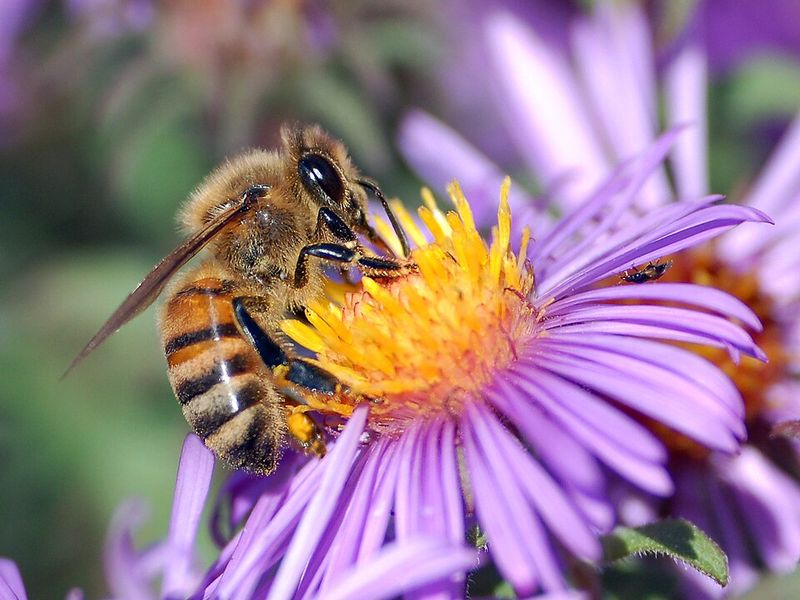
Signs of bees
- A cluster or swarm of bees on a tree, structure or wall
- Steady bee traffic into a gap in a wall or roofline
- Buzzing from inside a wall
Why it happens
Bees look for sheltered cavities to nest in. Old walls, chimneys, soffits and hollow trees are common choices.
What we do
- Identify the kind of bee before anything is done
- Explain the options for that kind of bee
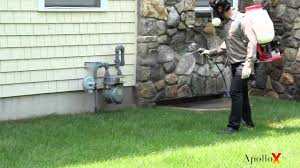
- Treat when treatment is the right answer
- Help prevent them returning to the same spot
When to call
Call before disturbing a nest or swarm. A call to us first lets us identify the bee. Call (203) 256-1200 and we will tell you the earliest time we can come.
How to Get Rid of Bees
"How to get rid of bees?" You might wonder why we're even posing this question. Aren't bees a beneficial and endangered insect? When we speak about bees we're referring to 4 main kinds: Carpenter Bees, Ground Bees, Bumble Bees and Honey Bees. All 4 of these, like the termite, provide a beneficial service in nature. However, like the termite, when they are located on your property they can cause damage to structures and compromise the resell value of your home. This site is designed to give a quick and informative summary for those experiencing a problem with bees.
Bees: What kinds of bees are we talking about?
Carpenter Bees:
Carpenter bees look similar to bumble bees, yet have no hair on their abdomen. They drill holes, mostly in unfinished soft wood. Over time they'll expand their tunnels further into the wood, and they defecate on the wall under the opening, causing stains. The male does not sting, and the female only stings when provoked. They are solitary and do not establish colonies.
Ground Bees:
Ground bees burrow into the soil, each creating a solitary nest. However, they tend to create a series of nests close to one another. They prefer dry, weak lawns vs. moist healthy lawns. As with carpenter bees, only the female can sting, but then, only when provoked. Ground bees are beneficial pollinators, and only around for about six weeks each year. They can, however, make a lawn less of an enjoyable place to relax, and can be confused with more aggressive wasps (more than one bee entering and exiting a hole potentially indicates wasps).
Bumble Bees:
Bumble bees are beneficial insects, pollinating plants and flowers. They create colonies of up to around 2000 bees in soffits, in the ground or in such places as in old abandoned mattresses, car cushions or buildings. They can be aggressive around their nest, so you don't want a bumble bee nest near a walkway or other area you frequent.
Honey Bees:
Like bumble bees, honey bees are extremely beneficial, pollinating more than 100 crops in the U.S. Honey bees will create their nest out of a wax they produce in a cavity that is between 4-9 gallons in size, preferring the larger sized area. In nature, it may be the inside of a hollow tree. However, they also will nest in the wall of a house, in soffits, under decks, in shrubs, fences, around a chimney, barbecue or water meter. In a wall, they may excrete water to soften and remove sheetrock to expand their colony, even entering a home. Though they can be frightening, they seldom sting unless provoked. It's unwise to have a honey bee colony attached to your home or adjoining structure, and you definitely don't want them inside your walls.
How Did The Bees Get There?
Bees are attracted to areas that are relatively undisturbed. As noted above, ground bees nest in dry, weak lawns and garden areas, carpenter bees in unfinished wood, like a wooden deck, swing set or play structure, bumble bees in an abandoned mattress or car, honey bees inside the wall of a home. They just need a relatively undisturbed location and a way to get in.
How Do Bees Breed?
Honey bees and bumble bees establish colonies, the queen lays the eggs, the workers build the colony, forage for food and care for the young. Ground bees and carpenter bees are solitary and lay eggs and rear their young in nests they establish. There may be many individual nests in a particular area. Honey bees create a swarm around a queen when looking for a place to establish their colony. While the swarm looks scary, it's pretty harmless unless provoked. A professional bee keeper may be able to safely transport a swarm to a productive hive in an agricultural area.
Preventing Bees
Your first line of defense is prevention:
Keep your property clean and neat. Remove any rubbish such as dead wood, brush piles, wood piles, old mattresses.
Keep your lawn and garden areas well watered, healthy and trimmed.
Seal any openings in your home: Cracks in your foundation, broken or loose siding or roofing shingles, caulk around windows, proper screening for vents, provide and maintain a protective coating to any exposed wood such as decks and play structures. Note that these preventative measures will also help prevent other pests such as cockroaches, termites, mice and rats.
If you see the bees beginning to develop a home on your property, act immediately to correct the conditions favorable to their habitation.
If bees can enter an area to nest, so can aggressive yellow jackets, and that's an entirely different problem! Some of the same preventative measures for bees also prevent yellow jacket nests.
Getting Rid of Bees
As mentioned, the same conditions that invite the presence of bees also invite the presence of yellow jackets and other pests, so it's wise not to allow bees a foothold on your property.
If honey bees live inside the walls of your home and you exterminate them, the remaining honey in the wall could damage the structure and invite other pests. If you simply seal the holes of carpenter bees, they may burrow further in, and emerge inside your home.
Get Help From A Licensed, Professional Pest Control Expert
Be safe, be thorough. A professional pest control expert will also inspect your property for the presence of other pests, or conditions that invite pests.
Common questions about bees
How do I tell what kind of bee I have?
Size, color and where the nest is all matter. Send us a photo or call and we will help identify it.
Will my neighbors know you were here?
Our vehicles and personnel are unmarked and discreet, so nothing on the street announces that a pest control company is at your home or business.
What our neighbors say about our bees work
Rated 4.8 stars from 111 Google reviews.
“Raymond was very professional and good with customers.”
“Apollo X took care of the hornets that setup shop in my wall mounted air conditioner. Took two trips, but they eliminated the problem without any of them getting into the house.”
Where we treat bees
We serve all of these towns in Fairfield County:
Related pest control services
- Wasp control in Fairfield County
- Yellow jacket control in Fairfield County
- Ground bee control in Fairfield County
- Carpenter bee control in Fairfield County
- Commercial pest control near me
Pest control tips about bees
Where we provide bees control
- Bee control in Stamford, CT
- Bee control in Norwalk, CT
- Bee control in Bridgeport, CT
- Bee control in Fairfield, CT
- Bee control in Greenwich, CT
- Bee control in Westport, CT
Pest control safety for your family and pets | Pest control questions | Licensed pest control
Seeing pests? Talk to a neighbor today.
Our phone line answers 24 hours a day. Same-day and next-day visits are available, scheduled by availability.
Call (203) 256-1200